

How to Create Einkorn Sourdough Starter

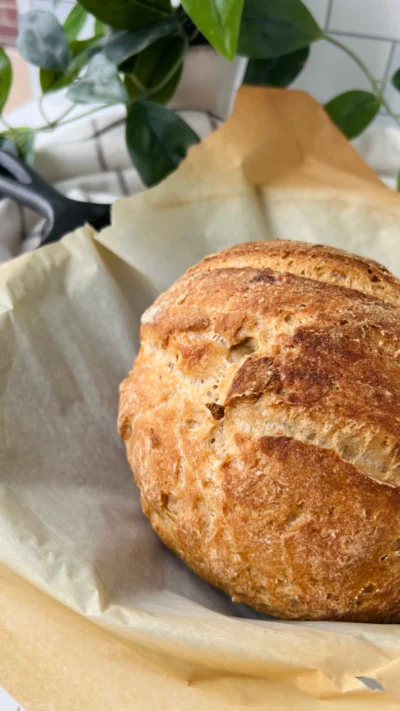
It seems only natural to bake einkorn bread with the same techniques used thousands of years ago, and if you have a sensitivity to gluten, it makes even more sense. Baking bread with sourdough starter is a very forgiving process that offers many health benefits.
Creating your very own starter is the first step. It is not necessarily difficult, but the time it takes for the starter to become ready to use will vary from kitchen to kitchen. That’s the challenge, believing it will work and having the patience to see the process through to the end. Our process creates a firm starter, which is a bit trickier to get going, but longterm, it will reward you with a very stable starter that needs minimal maintenance and will live on for years to come.
PREP TIME
—
COOK TIME
—
INGREDIENTS
15
Serves: 1


Ingredients
Day 1
- 45 grams45 grams45 grams Water, warm, at 100˚F (3 Tbsp)
- 60 grams60 grams60 grams Organic Einkorn All-Purpose Flour - Jovial Foods, (1/2 cup)

Day 3
- 10 grams10 grams10 grams Sourdough Starter, Homemade, (or all the starter from Day 1)
- 30 grams30 grams30 grams Water, warm, at 100˚F (2 Tbsp)
- 60 grams60 grams60 grams Organic Einkorn All-Purpose Flour - Jovial Foods, (1/2 cup)
Day 4
- 10 grams10 grams10 grams Sourdough Starter, Homemade, (or all the starter from Day 3)
- 30 grams30 grams30 grams Water, warm, at 100˚F (2 Tbsp)
- 60 grams60 grams60 grams Organic Einkorn All-Purpose Flour - Jovial Foods, (1/2 cup)
Day 5
- 10 grams10 grams10 grams Sourdough Starter, Homemade, (2 tsp)
- 30 grams30 grams30 grams Water, warm, at 100˚F (2 Tbsp)
- 60 grams60 grams60 grams Organic Einkorn All-Purpose Flour - Jovial Foods, (1/2 cup)
Buy Ingredients on the FoodSocial Market
Shop over 3500 products from unique and independent, creator-curated brandsProcess
Note, these instructions are written assuming the standard serving size, since you have modified the number of servings, these steps may need to be modified for best results
Day 1
- Mix flour and water in a small bowl to form a wet dough that is tacky to the touch.
- Transfer the dough to a glass container tightly sealed with a lid or plastic wrap. Let rest at room temperature in a kitchen cabinet for 48 hours.
Day 3
- If you see a grayish hue on the surface of the starter, push it to the side. Spoon out the creamy golden starter into a clean bowl.
- Mix water into the starter until dissolved, then mix in the flour and form a wet dough.
- Transfer this dough to a clean glass container sealed tightly with a lid or plastic wrap at room temperature in a kitchen cabinet for 24 hours.
Day 4
- If you see a grayish hue on the surface of the starter, push it aside with a fork. Spoon out the creamy golden starter into a small bowl.
- Mix water into the starter until dissolved, then mix in the flour and form a wet dough.
- Transfer the dough to a clean glass container sealed with a lid or plastic wrap at room temperature in a kitchen cabinet for 24 hours.
Day 5
- Today is the first day you will refresh your starter, which you will repeat once a day until it rises up and forms bubbles within 6 to 12 hours. That may happen after a few days, or it may take longer. This is where the patience comes in, as the process does vary from kitchen to kitchen. People always ask, “how will I know when my starter is ready?” Until you see your starter bubbling in this time frame (6-10 hours), your starter is not ready for baking bread.
- Place the starter in a small bowl. Add warm water and mix until the starter is dissolved and the water is creamy. Add flour and mix with a fork until most of the flour is absorbed. Roll the starter between your hands until the flour is absorbed, rubbing the bowl with the starter to pick up remaining flour. Transfer the starter to a sealed glass container and let rest at room temperature for up to 24 hours.
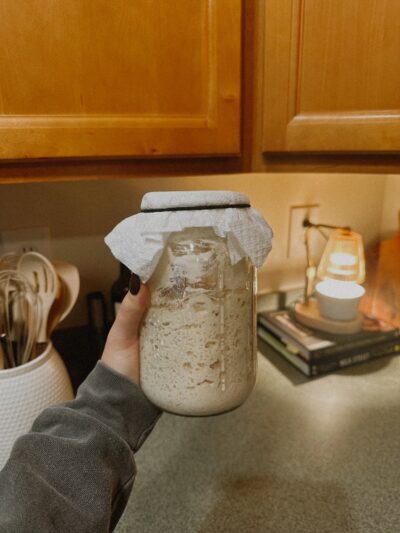
- Watch closely each day as the bubbles will increase and the activity of the starter will become more apparent. As it becomes more active, the amount and size of the bubbles in the starter will increase significantly and will change the appearance of the starter. It will spread out and the surface will seem pitted. When the starter rises up and doubles in size after 6 to 10 hours, you are ready to bake bread!
Next Steps
- Once your starter is ready and your bread is rising nicely, you can refrigerate the starter. When you want to bake bread, remove the quantity needed and use it cold from the refrigerator to mix up the bread recipe. Leave the remaining starter in the refrigerator, and when it becomes low, use the recipe from Day 5 to refresh and replenish the starter, always letting the starter rise after refreshing for 6 to 10 hours.
- For the first six months, you should refresh your starter once a week to keep it strong. After six months to a year has passed, you can leave it refrigerated for longer. As you keep baking bread, your starter will eventually become mature and will be strong enough to bubble up within 6 to 10 hours.
Notes
Refer to the original post for step by step photos, information on health benefits of sourdough, and directions on refreshing a larger batch of sourdough starter!
Add a Note
My Notes:
About This Recipe
Show nutritional information
Baked Goods Coconut Free Dairy Free Egg Free Nightshade Free Nut Free Pescetarian Plant Based Shellfish Free Side Dishes Snacks Sugar Alcohol Free Sugar Free Vegan Vegetarian| This is our estimate based on online research. | |
| Calories: | 436 |
| Fat: | 2 g |
| Carbohydrates: | 87 g |
| Protein: | 17 g |
| Cholesterol: | 0 g |
| Sodium: | 0 mg |
| Fiber: | 8 g |
| Sugars: | 0 g |
| Sugar Alcohol: | 0 g |
| Calculated for total recipe. | |























Leave a Reply
You must be logged in to post a comment.