

Ciabatta Bread Recipe | Bakery-Style Italian Bread with Airy Texture & Crispy Crust

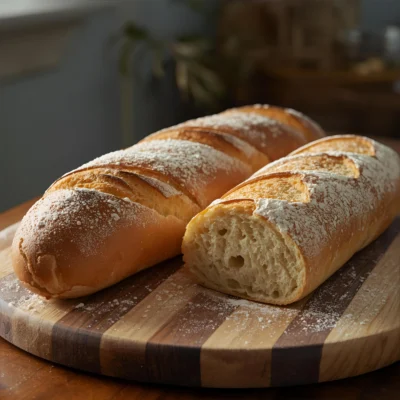
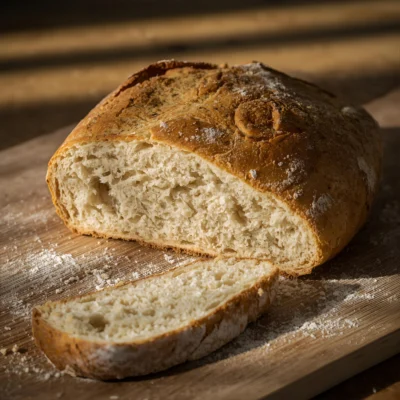
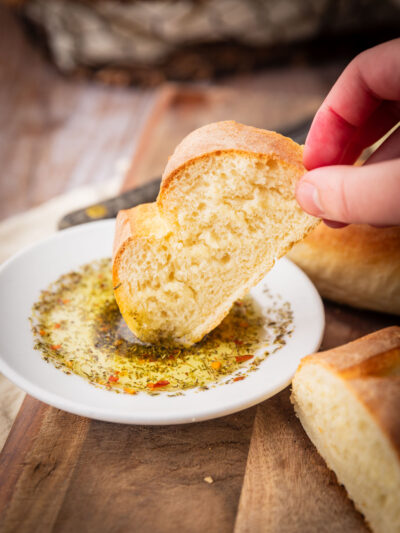
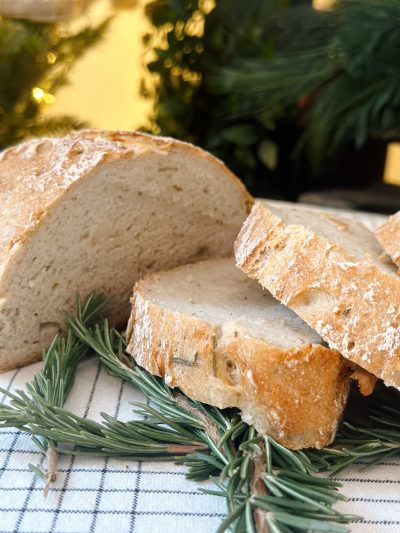
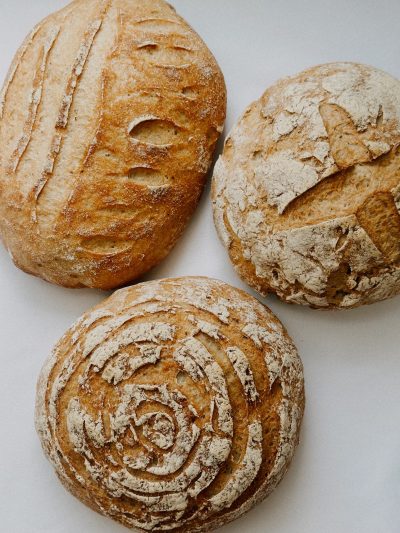
Discover how to make ciabatta bread at home with this step-by-step Italian recipe. This classic ciabatta recipe creates the perfect balance of a chewy, open crumb interior with a thin, crispy crust that’s ideal for sandwiches, bruschetta, or dipping in olive oil. Using simple pantry ingredients like flour, yeast, water, and olive oil, you’ll learn how to prepare a biga (preferment) for maximum flavor and texture, master the stretch-and-fold technique for a light, airy dough, and bake ciabatta loaves with bakery-quality results. Whether you’re a beginner or an experienced baker, this homemade ciabatta bread recipe delivers authentic Italian flavor right from your kitchen. Enjoy it fresh out of the oven, use it for panini, or serve it as the ultimate rustic bread alongside soups, pasta, or charcuterie boards.
PREP TIME
20 minutes
COOK TIME
25 minutes
INGREDIENTS
5
Serves: 68


Ingredients
- 4 cups4 cups4 cups Bread Flour, High-protein flour recommended for best gluten development

- 2 cups2 cups2 cups Water, Room temperature, filtered if possible
- 1.5 tsp1.5 tsp1.5 tsp Salt, Fine sea salt works best
- 1.5 tsp1.5 tsp1.5 tsp Active Dry Yeast, Instant yeast; or active dry yeast
- 1.5 Tbsp1.5 Tbsp1.5 Tbsp Olive Oil, Extra virgin for best flavor
Buy Ingredients on the FoodSocial Market
Shop over 3500 products from unique and independent, creator-curated brandsProcess
- Prepare the biga (optional but recommended):
- Mix 150 g bread flour, 100 ml water, and ⅛ tsp yeast in a bowl. Stir until combined, cover loosely, and let rest at room temperature for 12–18 hours until bubbly.
- Mix the dough:
- In a large bowl, combine all of the biga (if using), remaining 350 g bread flour, 375 ml water, 1 ½ tsp yeast, and 1 tbsp olive oil. Mix until a sticky dough forms. Add the salt last and mix gently.
- First rise (bulk fermentation):
- Transfer dough to a lightly oiled bowl, cover, and let rise for 2–3 hours. Every 30 minutes, perform a stretch-and-fold (lift, stretch upward, fold over; rotate bowl and repeat 4 times).
- Shape the dough:
- Flour your work surface generously. Gently tip the dough out without deflating it. Divide into 2–3 pieces with a bench scraper. Shape each into a rough rectangle.
- Proof:
- Place loaves on floured parchment paper or a couche, seam side down. Cover with a cloth and let rest for 45–60 minutes until puffy.
- Preheat oven:
- Place a baking stone or inverted tray inside the oven and preheat to 220°C / 425°F. Place a shallow pan at the bottom for steam.
- Bake:
- Slide the loaves with parchment onto the hot stone/tray. Pour 1 cup hot water into the steam pan, then close oven door quickly. Bake 20–25 minutes until golden brown, crisp, and hollow-sounding when tapped.
- Cool:
- Transfer loaves to a wire rack and let cool for at least 30 minutes before slicing.
Notes
-
Biga (preferment): Enhances flavor and texture, but you can skip it for a quicker same-day version.
-
Flour: Use bread flour (high protein) for stronger gluten and better holes in the crumb.
-
Hydration: Dough will be very wet — don’t add extra flour. This is key for ciabatta’s airy texture.
-
Stretch-and-folds: Replace kneading; they build gluten strength gently.
-
Shaping: Handle dough lightly to avoid deflating air pockets.
-
Proofing: Don’t over-proof or the loaves may collapse.
-
Steam: Adding hot water in the oven creates steam for a crisp crust.
-
Cooling: Essential for crumb to set and avoid gumminess
Add a Note
My Notes:
About This Recipe
| This is our estimate based on online research. | |
| Calories: | 61 |
| Fat: | 1 g |
| Carbohydrates: | 11 g |
| Protein: | 2 g |
| Cholesterol: | 2 g |
| Sodium: | 47 mg |
| Fiber: | 0 g |
| Sugars: | 0 g |
| Sugar Alcohol: | 0 g |
| Calculated per serving. | |













Leave a Reply
You must be logged in to post a comment.